Rebuilding a 20-year-old platform from the inside out
How an embedded Neural team helped a market-leading B2B distributor modernize a legacy platform, restore pricing integrity and establish a scalable foundation that continues to evolve.
A multi-million-dollar pricing problem hiding in plain sight
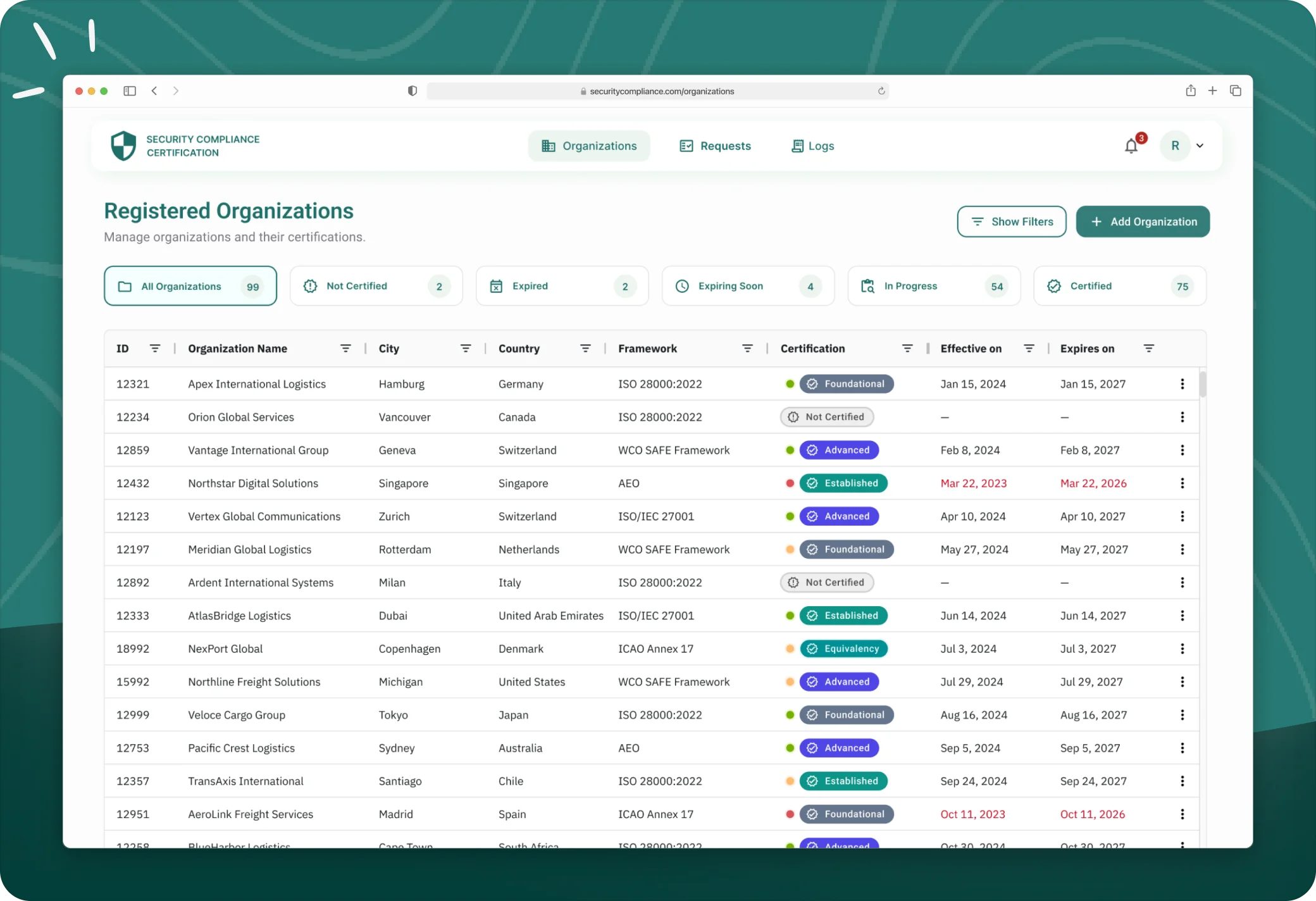
The client, a market-leading B2B distribution company, was running its entire operation on a proprietary platform built over 20 years earlier by non-developers. The result: tangled code, unreliable data, no documentation and no standard processes. Features had been bolted on ad hoc for years, creating compounding technical debt and limiting the platform's ability to evolve safely.
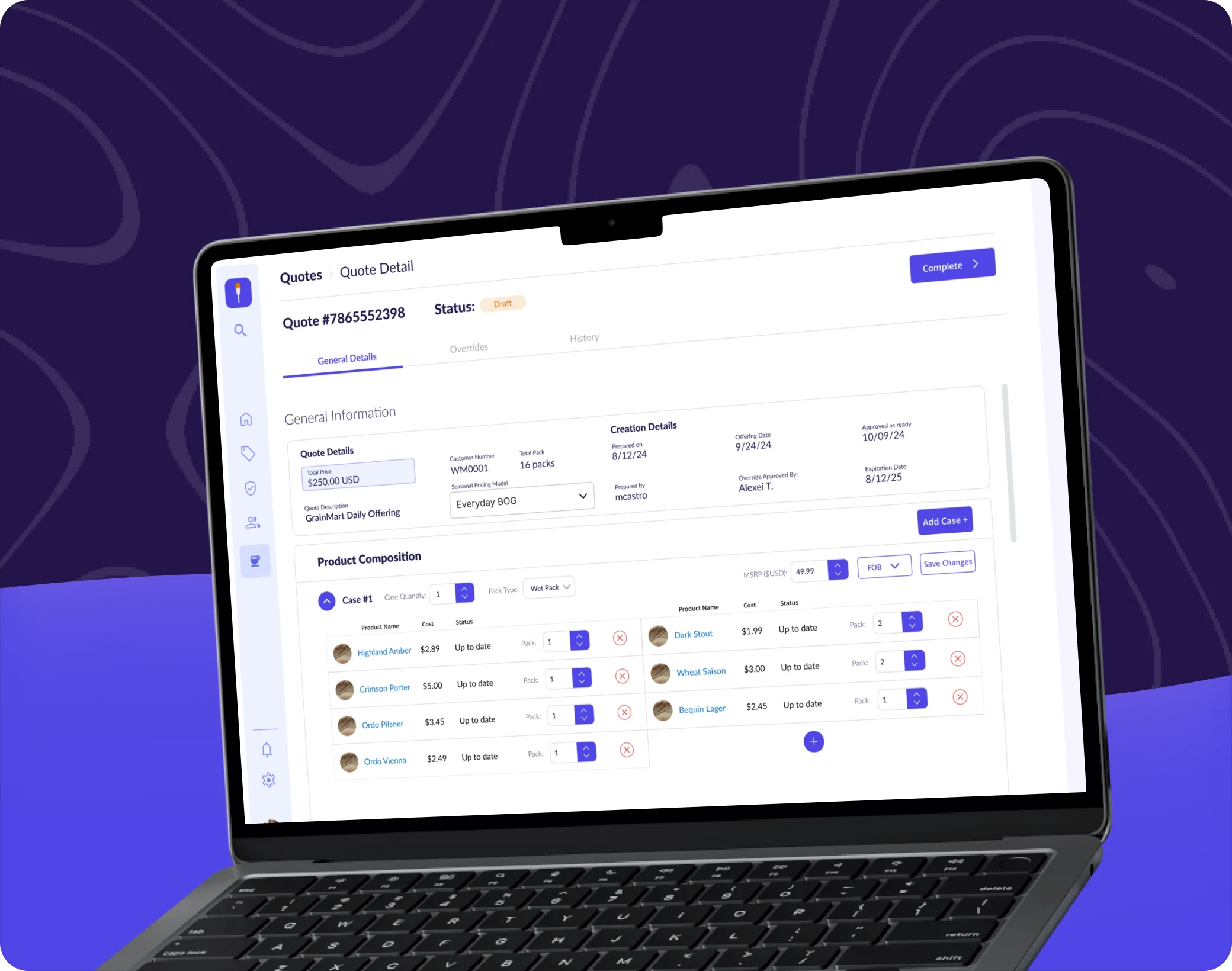
A 2023 internal review found that the discrepancy between quoting and order entry was costing the company a minimum of $2M annually, a systemic problem with no existing safeguards to catch it.
The client needed a modernized internal platform built to scale, clean and reliable data with validated pricing workflows, a skilled development team it did not have in-house, agile processes and cloud infrastructure to replace legacy systems, and a UX overhaul of day-to-day operational tools.
Module by module, without stopping the business
Neural embedded a cross-functional team to work alongside internal stakeholders, focusing on rebuilding the platform from its core while keeping the business running.
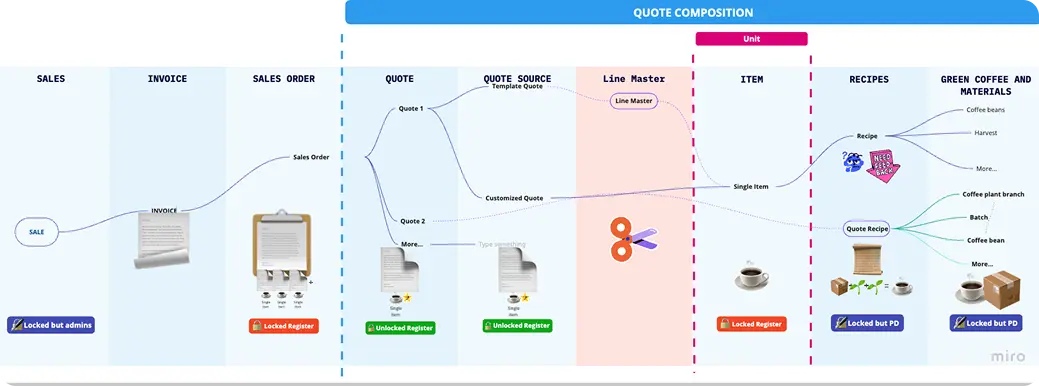
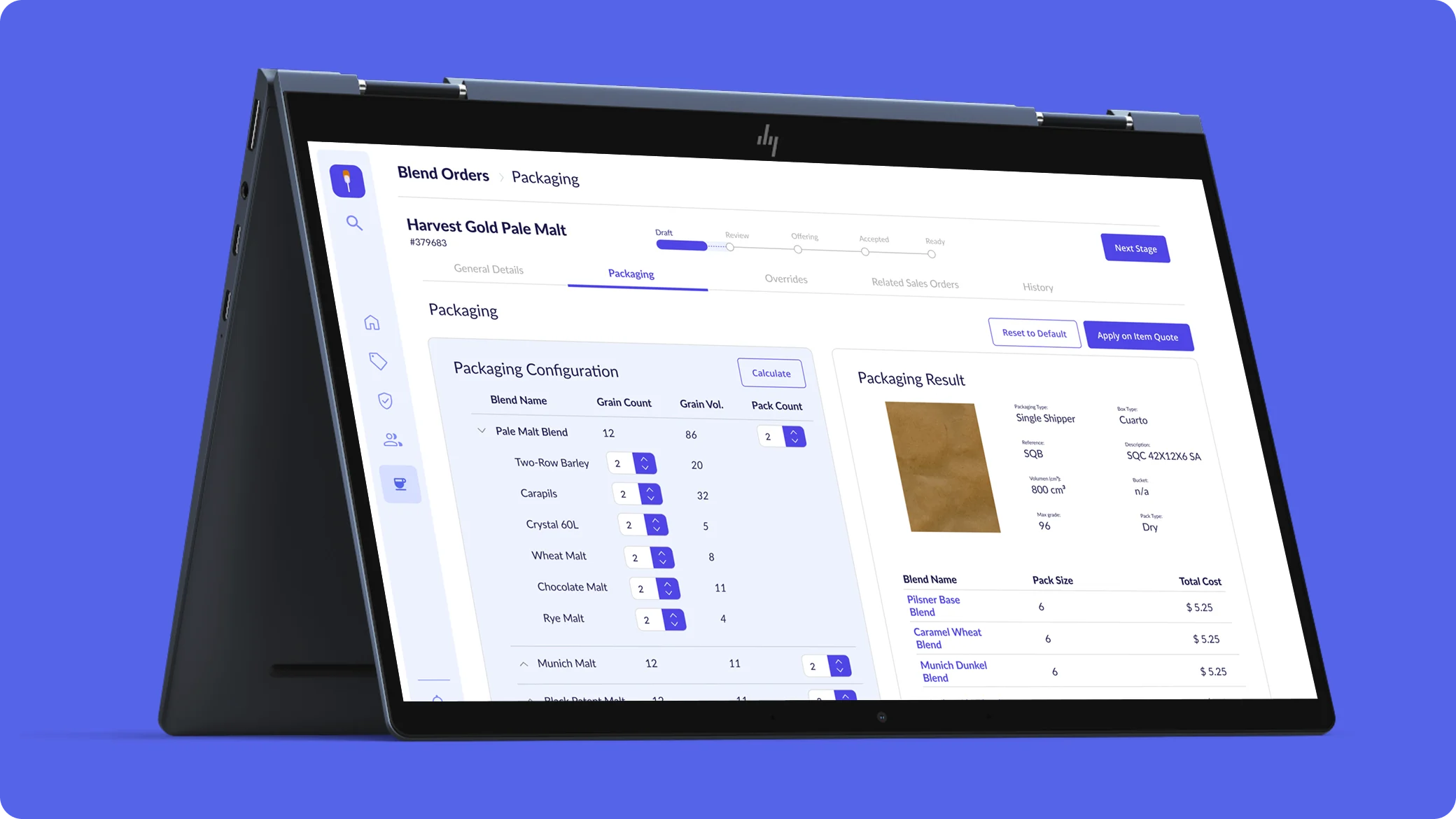
An iterative, modular approach, starting with the sales and orders domain, let the team modernize pricing workflows, improve data integrity and create a repeatable foundation for future modules.
What the team delivered
- Discovery of the legacy platform and documentation of the sales and orders domain
- Automated cross-system price-gap checks between quoting and order entry
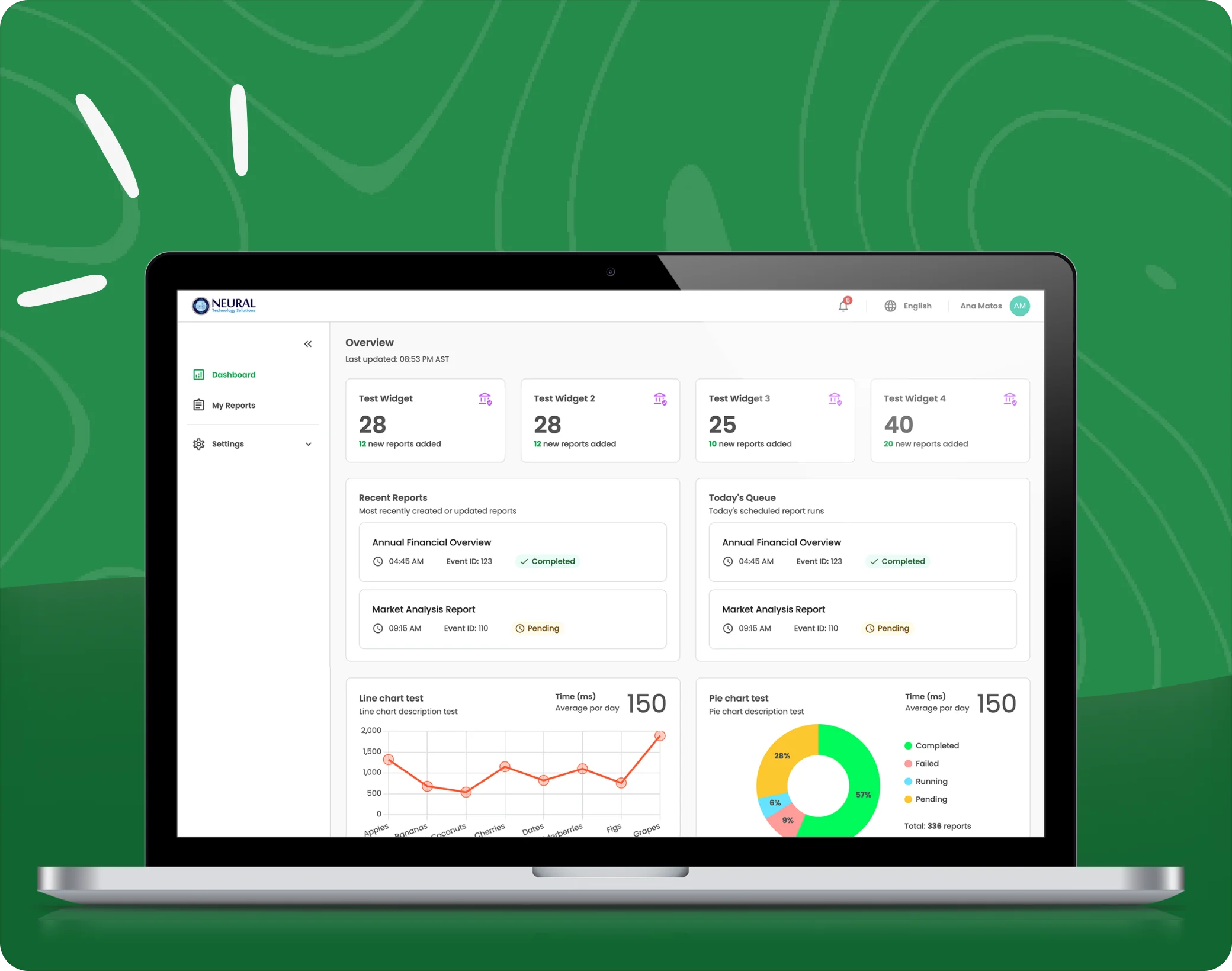
- A modern web platform on a layered architecture, with Angular and TypeScript on the front end and .NET and Java services behind it
- PostgreSQL data foundation with validated workflows and clean orders
- Kubernetes deployment on Microsoft Azure with Azure DevOps pipelines
- Agile delivery practices adopted with the client's internal team
A closer look at the engagement
Technologies used
A modern, layered stack that replaced the legacy platform domain by domain while the business kept running.
.NET and Java
Backend services and domain logic
Angular and TypeScript
Modern web interface for operational tools
GraphQL
API layer between the new front end and services
PostgreSQL
Clean, validated data foundation
Kubernetes on Azure
Containerized deployment and scaling
Azure DevOps and Figma
Delivery pipelines, backlog and UX design
Embedded cross-functional team
The dedicated-team model in practice: Neural professionals working alongside the client's stakeholders inside the client's priorities.
Product Owner
Vision & StrategyManages the roadmap and backlog, aligns priorities with business goals, and translates needs into requirements.
Software Developers
ImplementationRebuild the sales and orders domain, pricing workflows and integrations on the new platform.
UI/UX Designer
Design & ResearchOverhaul of day-to-day operational tools with the people who use them.
QA (Manual & Automation)
Quality AssuranceValidates core workflows and regression risks through test planning and repeatable checks as the product evolves.
Project Manager
FacilitationCoordinates delivery across disciplines, tracks execution and dependencies, and supports predictable releases.
DevOps Engineer
InfrastructureImplements cloud environments and delivery pipelines, supporting stable deployments and operational readiness.
A modernized platform that scales with the business
A clear roadmap set, and a system that had gone unchecked for two decades, modernized module by module, now has honest pricing, clean orders and the agility to keep changing with discipline.
Price assurance
Automated cross-system price-gap checks between quoting and order entry, catching discrepancies in near real time.
Agile foundation
A sustainable delivery model that lets teams iterate, adapt and evolve the platform as requirements change.
Modern platform
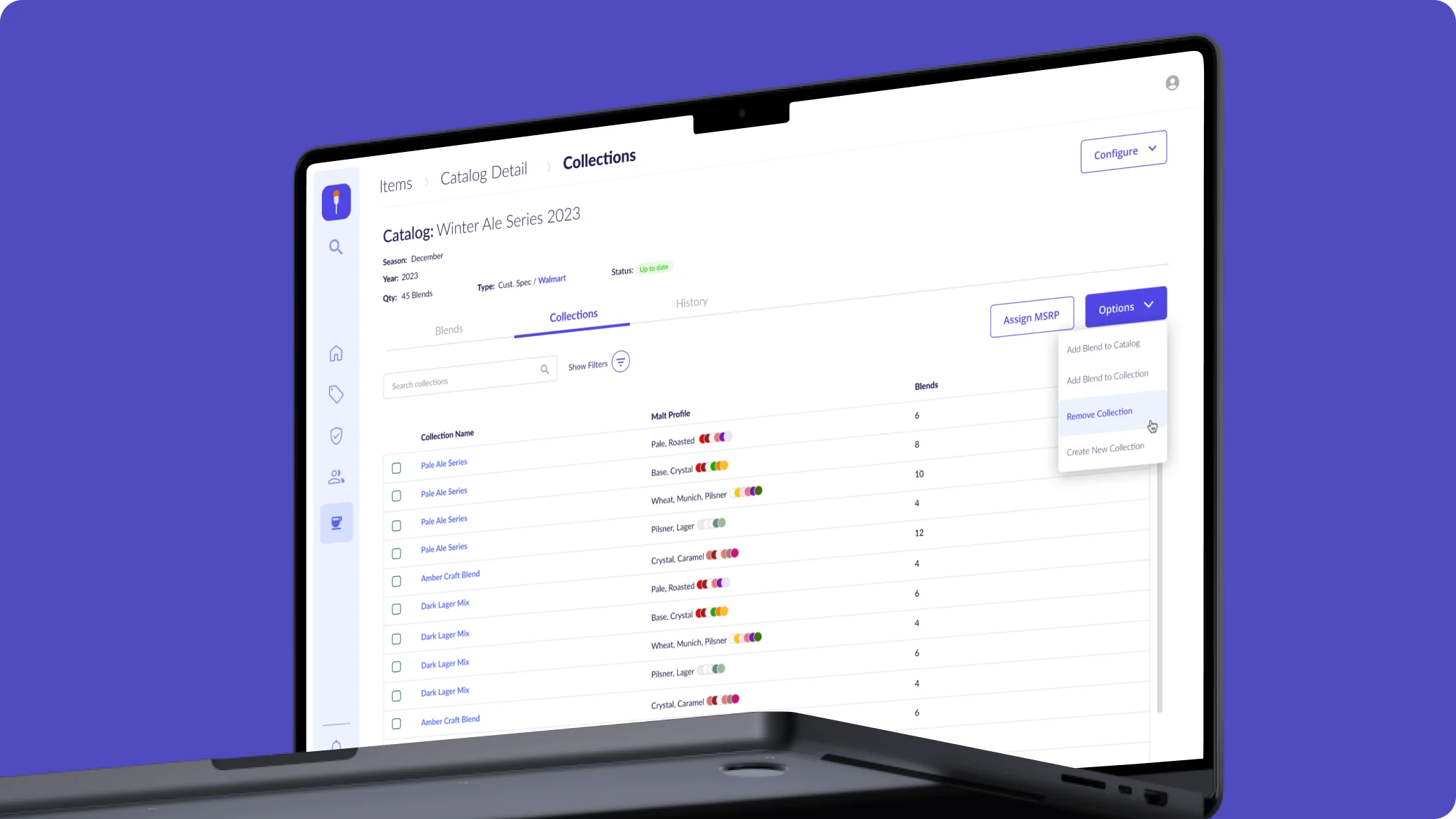
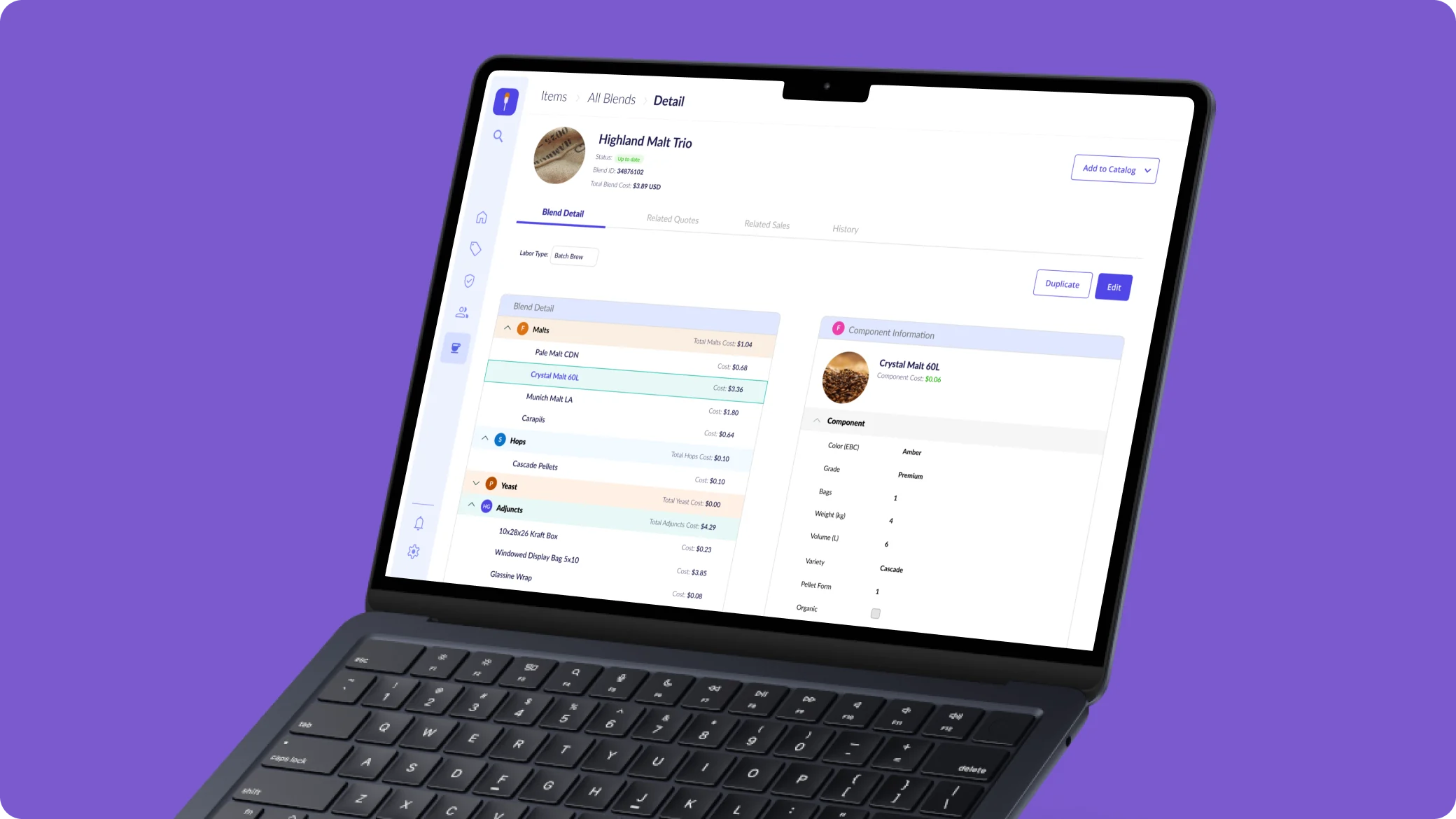
A modern web UI on a layered framework, improving on the legacy system while supporting ongoing business needs.
Capabilities
Process
Iterative and modular: one business domain at a time, each delivered to production while the legacy system kept running, with the client's stakeholders embedded in planning and review.
AI role
AI functionality was not part of the product scope. The engagement followed Neural's standard engineering practices.