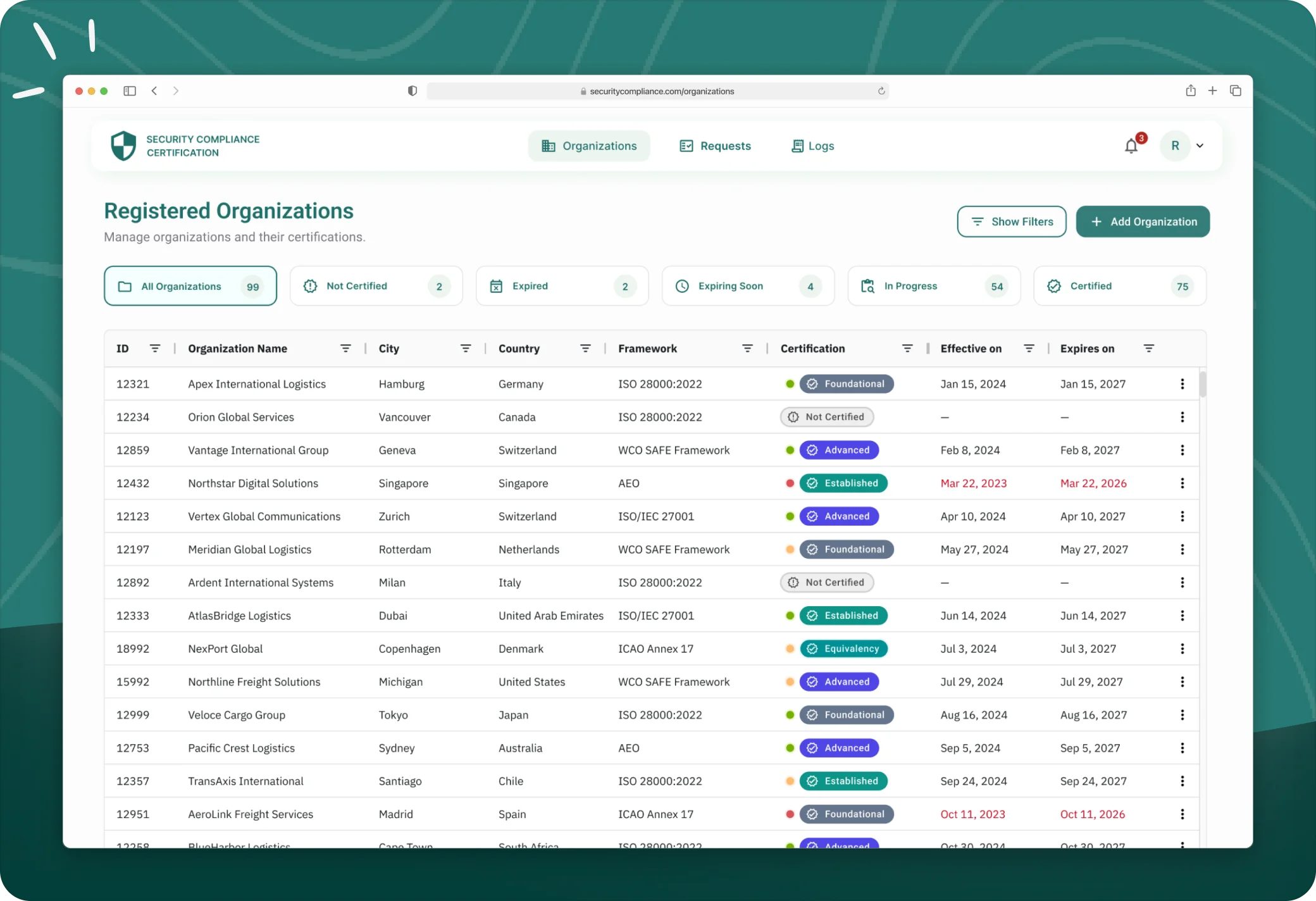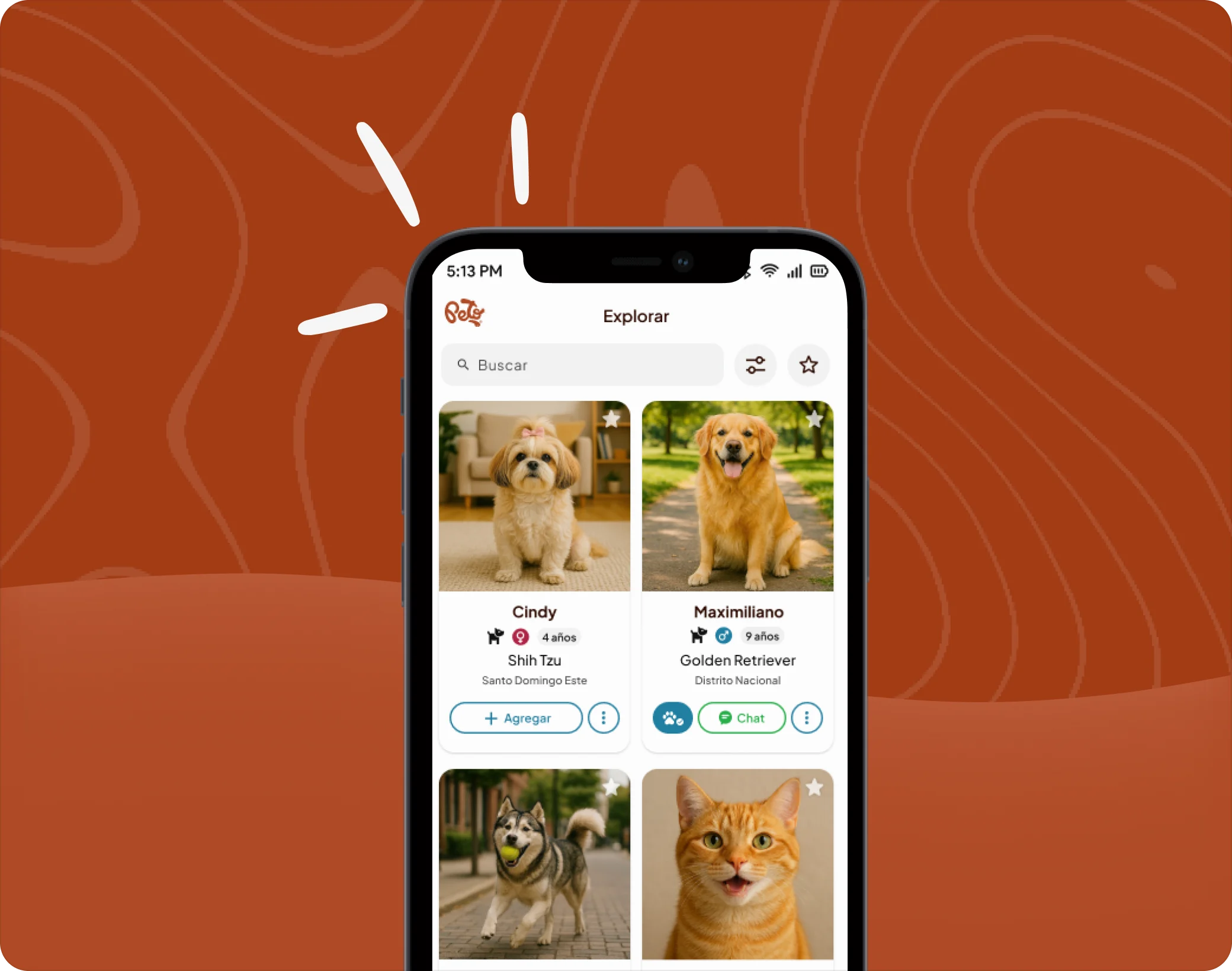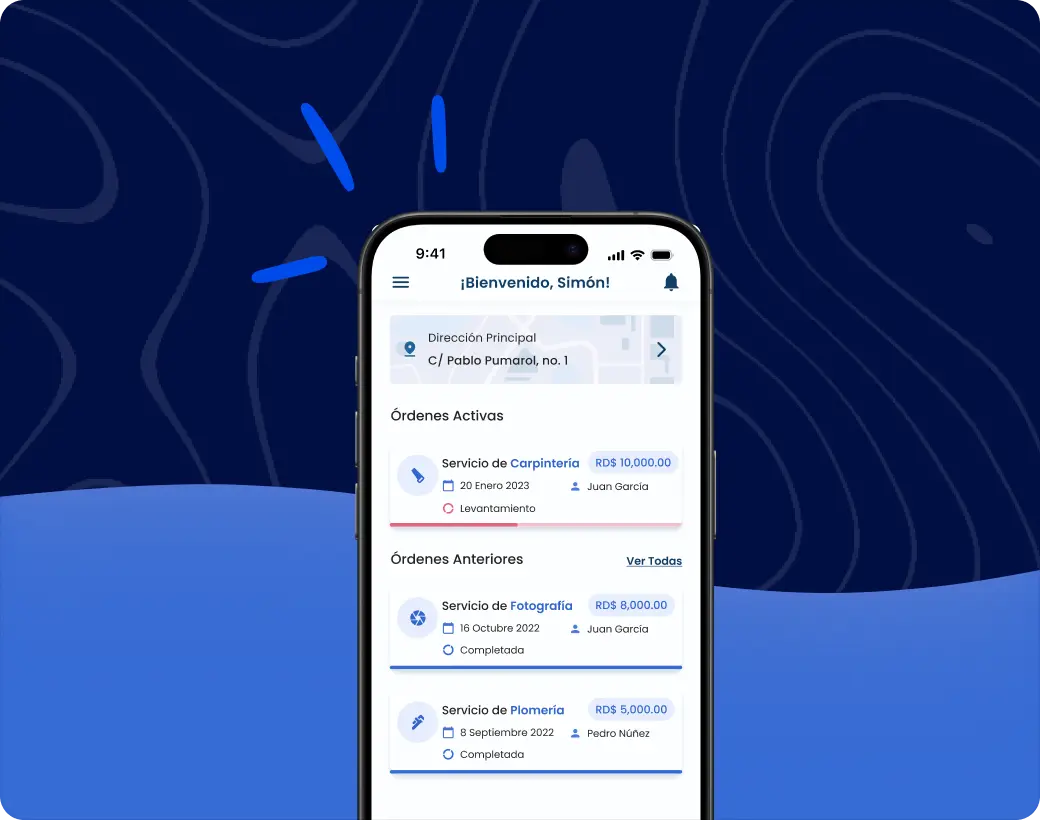
MantisBT Bug Tracker → React + Nest.js + PostgreSQL
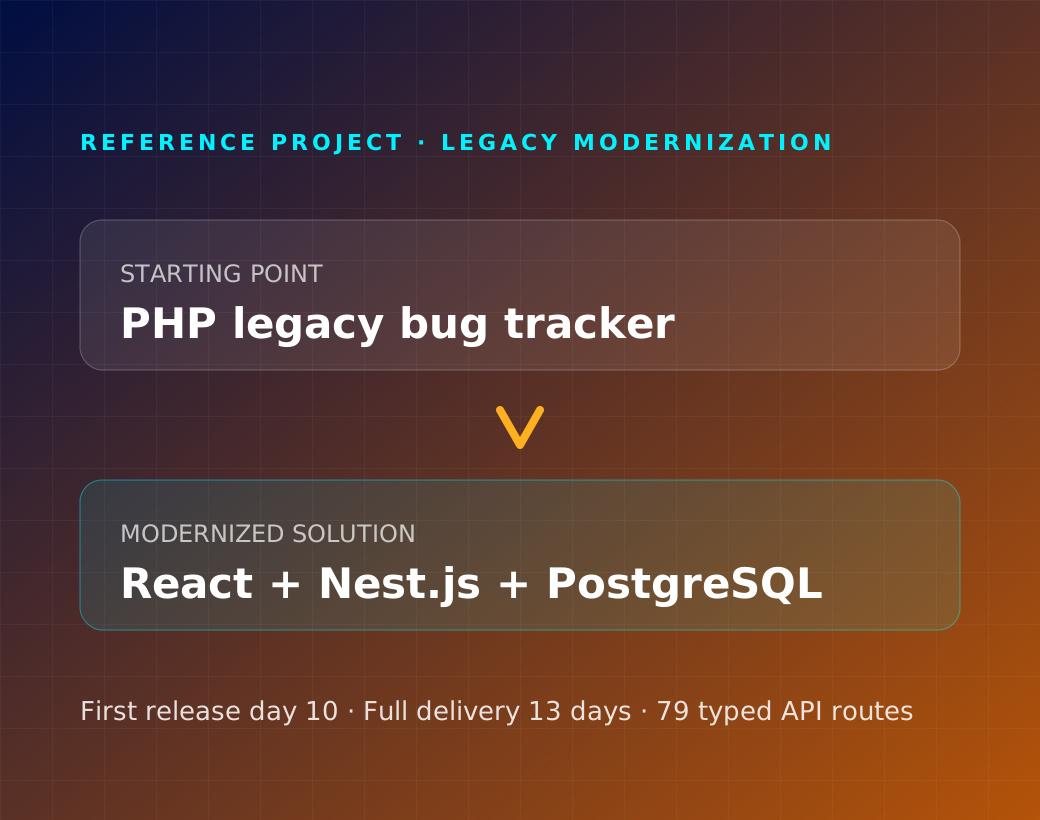
A PHP legacy bug-tracking application with 57 of its 70 core modules in one dependency cycle and 461 global configuration switches, rebuilt as a modular TypeScript application on React, Nest.js and PostgreSQL with 79 typed API routes. First production release on day 10, full delivery in 13 days.
This open-source legacy application was migrated by the Neural team as a reference project using the same engineering practices, tooling and acceptance criteria applied to client engagements.
One dependency cycle holding 57 of 70 modules together
MantisBT is a PHP legacy bug-tracking application in which 57 of the 70 core modules sit inside a single dependency cycle, behaviour is governed by 461 global configuration switches, and automated UI testing is very limited. Changing one part safely meant understanding almost all of it.
The objective was a modular, typed architecture that keeps the tracker's functionality while making the code base understandable, testable and safe to change.
A modular TypeScript architecture with 79 typed API routes
The dependency graph was mapped first, which made the cycle and the configuration surface visible and measurable. The target architecture separated the modules into typed boundaries, and the plan sequenced the rebuild so that each module could be verified against the legacy behaviour.
The three reference migrations were executed in parallel between September 21 and October 3, 2026, with approximately 70 logged engineering hours combined, following one shared process.
What the team delivered
- React front end for the bug-tracking workflows
- Nest.js backend in TypeScript with a modular architecture replacing the dependency cycle
- 79 typed API routes
- PostgreSQL data layer migrated from the legacy schema
- Global configuration switches replaced by explicit, typed configuration
- Automated tests where the legacy application had almost none
- Runbook, rollback triggers, monitoring and operations documentation
How the migration was run
Shared modernization process
The three reference migrations were executed in parallel between September 21 and October 3, 2026, with approximately 70 logged engineering hours combined, following one shared process.
01 · Scan and map
Dependency graph, data model, security posture and risk register built from the legacy code base before any decision is made.
02 · Design and plan
Target architecture, written design decisions and a task-level implementation plan reviewed by the engineers who own delivery.
03 · Build with evidence
Code, tests, infrastructure, documentation, migration or ETL evidence and reconciliation produced together, so every increment can be verified.
04 · Cut over and hand over
Runbook, rollback triggers, monitoring, operations documentation and a credentials package delivered with the release.
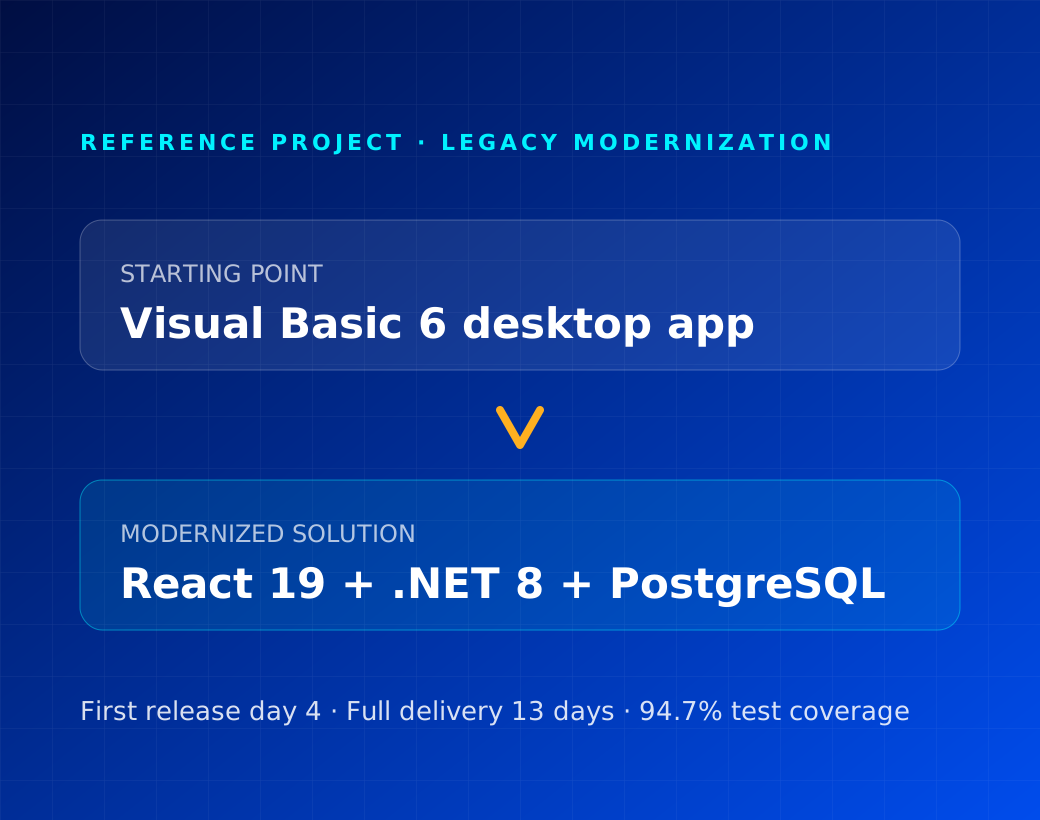
From PHP globals to typed modules
A modular TypeScript architecture replaced the PHP legacy code base.
Starting point
- PHP legacy bug-tracking application
- 57 of 70 core modules in one dependency cycle
- 461 global configuration switches
- Very limited automated UI testing
Modernized solution
- React
- Nest.js
- PostgreSQL
- Modular TypeScript architecture
- 79 typed API routes
AI-enabled, human-led delivery
AI-enabled, human-led delivery: experienced engineers led the migration, AI coding agents supported reading the legacy code, drafting, generation and documentation, and the engineers retained ownership of architecture, security, validation and every important delivery decision.
Lead engineers
OwnershipOwn architecture, security, validation and delivery decisions throughout the migration.
AI coding agents
SupportSupport reading the legacy code base, drafting, generation and documentation under engineer review.
QA and reconciliation
EvidenceAutomated tests, migration evidence and reconciliation checks before each release.
From a dependency cycle to typed, modular boundaries
The first production release went live on day 10 and full delivery was completed in 13 days, with 79 typed API routes replacing the legacy module tangle.
Day 10
First production release.
13 days
Full delivery.
79
Typed API routes.
Capabilities
Process
Scan and map, design and plan, build with evidence, cut over and hand over, with the dependency graph as the starting point for the architecture.
AI role
AI-enabled, human-led delivery: experienced engineers led the migration, AI coding agents supported reading the legacy code, drafting, generation and documentation, and the engineers retained ownership of architecture, security, validation and every important delivery decision.